Can Tar and Chip Help Create a More Stable Walking Surface?
When improving paths and other walking areas around a property, stability underfoot is just as important as appearance. Loose, uneven or deteriorating surfaces can become awkward to use, particularly after periods of wet weather. Tar and chip surfacing can provide a practical alternative where homeowners want a firm, textured surface with a more natural appearance than some conventional finishes.
For property owners in Folkestone, Kent, the effectiveness of tar and chip depends heavily on what lies beneath the finished surface. At Folkestone Driveways & Surfacing, careful ground preparation, drainage and professional installation are central to creating paths and surfaced areas that remain dependable through regular use.
What Is Tar and Chip Surfacing?
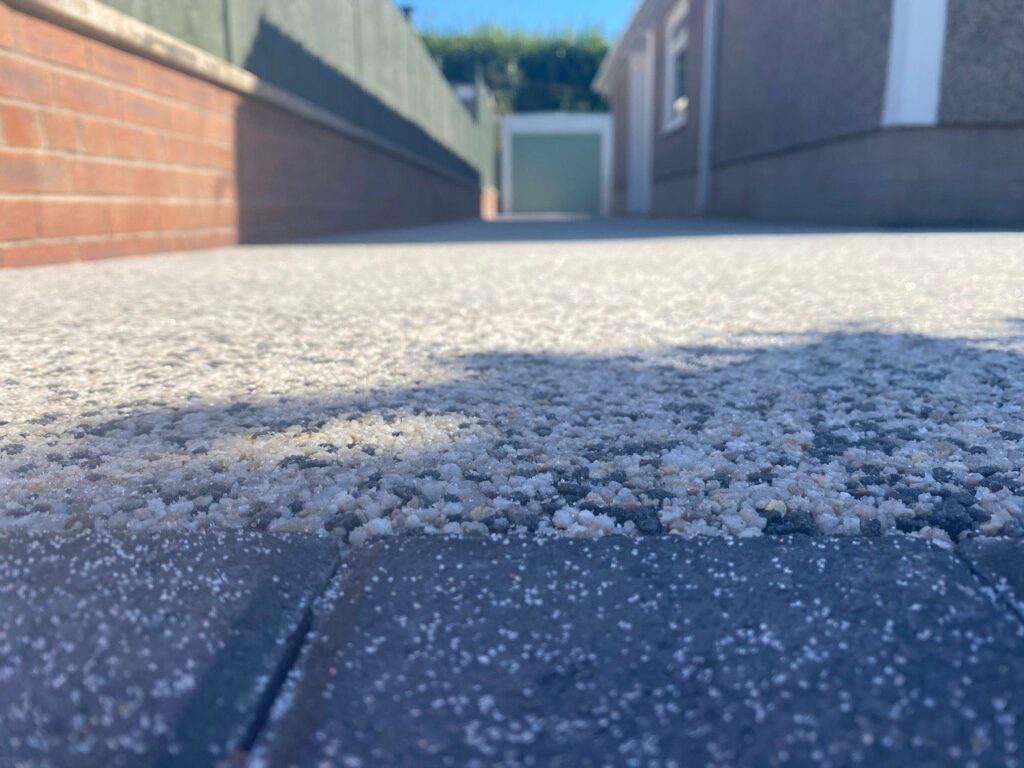
Tar and chip, sometimes referred to as surface dressing, is created by applying a bituminous binder before covering it with selected stone aggregate. The stone is then embedded into the binder to form the finished surface.
This produces a surface that combines a bonded structure with the visible texture of natural aggregate.
For walking areas, this can provide several useful characteristics:
- A firm surface underfoot
- A naturally textured finish
- Good visual definition
- Suitability for different path layouts
- A finish that complements many outdoor settings
However, the finished surface can only perform properly when the supporting ground has been prepared correctly.
Why Stability Starts Below the Surface
One of the most important points to understand about any path is that its stability is not created by the surface material alone.
If the ground underneath is soft, poorly compacted or uneven, movement can eventually affect the finished surface. Depressions, irregular levels and premature deterioration can all develop when the supporting layers are inadequate.
Professional preparation therefore involves assessing the existing ground and creating a suitable, well-compacted base before the tar and chip finish is applied.
Compaction Is Particularly Important
A properly compacted base distributes everyday loads more evenly and reduces unnecessary movement beneath the path.
This creates a much stronger foundation for the surfacing above and is one of the key differences between a professionally constructed path and a surface applied over inadequately prepared ground.
A Useful Alternative to Loose Gravel
Loose stone can look attractive, but it naturally moves when walked over. Aggregate can migrate towards the edges, collect in particular areas or become displaced through frequent use.
Tar and chip retains the visual character of stone while bonding the aggregate into the surface.
This can provide a more settled walking area with less movement beneath your feet. It can be particularly useful where the appearance of aggregate is desirable but a firmer surface would make the area more practical.
The Textured Finish Can Improve Footing
Tar and chip does not normally have the completely smooth appearance associated with some other surfacing materials. Its exposed aggregate creates a naturally textured finish.
For pedestrian areas, this texture can provide reassuring footing during normal use. As with any external surface, however, leaves, moss, mud and other debris should still be removed regularly because neglected contamination can affect how secure a path feels underfoot.
Good Drainage Remains Essential
Water is one of the most important considerations when constructing any outdoor path.
A well-designed walking surface should encourage rainfall to move away appropriately rather than allowing persistent puddles to develop. This requires attention to levels, falls, surrounding ground conditions and any necessary drainage features.
Poor water management can contribute to:
- Standing water
- Softening of supporting ground
- Edge deterioration
- Surface contamination
- Longer-term instability
Professional installation considers drainage as part of the complete construction rather than treating it as an afterthought.
Strong Edges Help Keep Paths Defined
The edges of a path have an important structural as well as visual purpose.
Well-planned boundaries can help keep the surfaced area clearly defined and reduce deterioration where the path meets lawns, borders or other landscaping. This is particularly important on narrower paths, where edge damage can quickly affect a noticeable proportion of the walking surface.
The appropriate edging will depend on the layout and intended appearance of the individual property.
Tar and Chip Can Suit Straight or Curved Paths
Not every garden benefits from perfectly straight pathways. Tar and chip can be adapted to different shapes, allowing paths to follow existing landscaping or create a more natural route through an outdoor space.
It can work well for:
- Front access paths
- Garden walkways
- Routes between different outdoor areas
- Wider pedestrian access
- Paths connecting entrances and parking areas
Careful planning ensures the width, route and finish suit how the space will actually be used.
Maintenance Helps Preserve a Stable Surface
Although tar and chip is a robust surfacing method, sensible maintenance remains worthwhile.
Homeowners should keep paths clear of accumulated leaves, soil and vegetation and pay attention to any areas that begin to show unusual wear. Drainage routes should also remain unobstructed so rainfall can disperse as intended.
Spotting minor deterioration early provides an opportunity to address the cause before it affects a larger section of the surface.
Why Professional Installation Matters
The quality of a tar and chip path depends on much more than the final layer of stone. Ground preparation, base stability, compaction, drainage, binder application and aggregate distribution all influence the finished result.
At Folkestone Driveways & Surfacing, we take the complete construction into account when installing tar and chip surfaces in Folkestone, Kent. The objective is not simply to create an attractive finish, but to provide a properly prepared surface suited to its intended use and surroundings.
Professional assessment is particularly valuable when an existing path is already uneven or unstable, as simply covering the old surface may leave the original cause of the problem unresolved.
Conclusion
Tar and chip can help create a more stable walking surface, particularly when replacing loose or deteriorated areas with a properly constructed, bonded finish. Its textured aggregate appearance makes it an attractive option for homeowners who want practical pedestrian access without losing the character associated with natural stone.
The key to long-term performance is what happens before the visible surface is installed. A stable base, correct compaction, suitable drainage and well-constructed edges all contribute to a path that performs reliably.
For homeowners in Folkestone, Kent, Folkestone Driveways & Surfacing can assess existing paths and outdoor areas and advise whether tar and chip is suitable for the intended use. Professional preparation and installation can help create a durable, attractive and practical walking surface that fits naturally into the surrounding property.
Call us on: 01303 763 895
Click here to find out more about Folkestone Driveways & Surfacing
Click here to complete our contact form and see how we can help with your driveway needs.