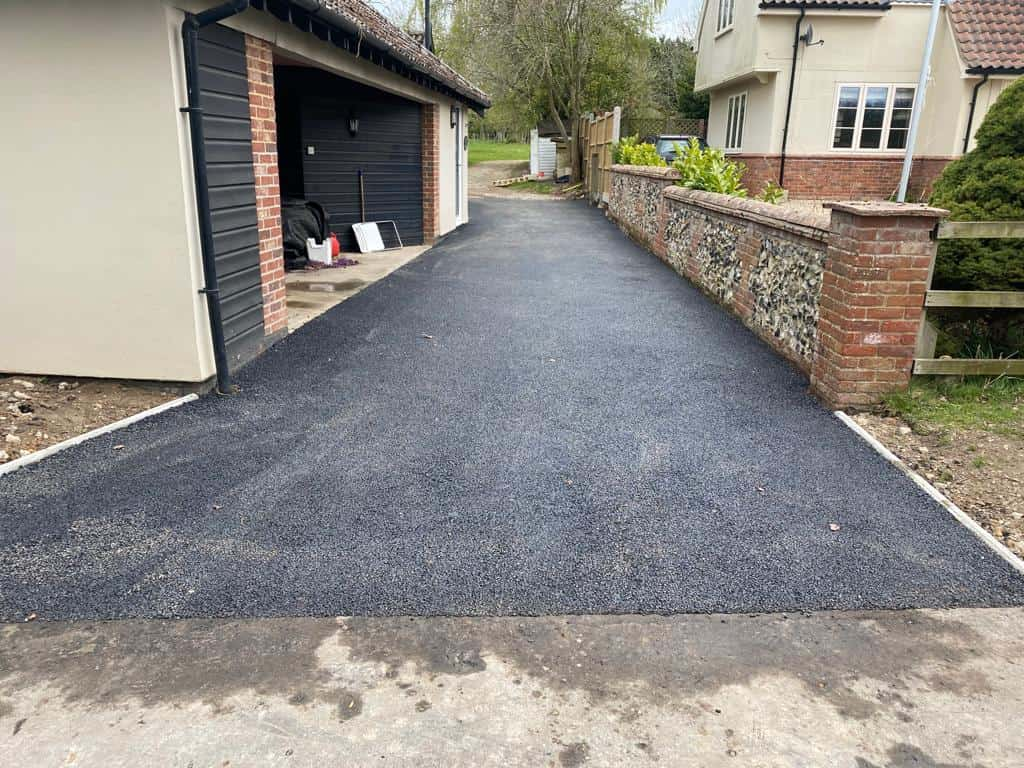
How to Maintain a Tar and Chip Driveway
A tar and chip driveway combines a bitumen-based binder with a layer of natural aggregate. The result is a textured, durable surface that can suit both traditional and contemporary properties. Although tar and chip generally requires straightforward maintenance, regular care can help preserve its appearance, drainage and structural condition.
Property owners in Folkestone, Kent, should pay particular attention to loose aggregate, surface drainage, edge stability and small areas of wear. Addressing these issues promptly can prevent localised defects from developing into more extensive damage.
Practical Ways to Care for a Tar and Chip Driveway
Effective maintenance begins with understanding how the surface is constructed. Unlike a smooth tarmac driveway, tar and chip naturally has a coarser finish. Some loose stone can be expected, particularly after installation, but excessive stone loss or exposed binder may indicate that the surface requires attention.
Allow a New Surface to Settle
A recently installed tar and chip driveway needs time to settle under normal use. Some loose aggregate may remain on top while the embedded stone becomes firmly seated within the binder.
Drive gently during this initial period and avoid sudden acceleration, heavy braking or sharp steering while stationary. These actions can disturb aggregate before the surface has fully stabilised. Loose stone can be carefully swept aside, but aggressive brushing should be avoided.
Sweep the Driveway Gently
Leaves, soil and other debris can hold moisture against the surface and obstruct drainage routes. Regular sweeping keeps the driveway tidy and makes it easier to identify developing defects.
Use a moderately soft outdoor broom rather than a stiff implement that could dislodge the surface aggregate. Sweeping is particularly useful around entrances, edges and low points where debris naturally collects.
Keep Drainage Routes Clear
Water should leave a driveway efficiently instead of collecting on the surface or flowing beneath its edges. Check channels, gullies and nearby outlets for leaves, silt and other obstructions.
Standing water may indicate a blocked drainage route or a depression within the driveway. Persistent dampness can weaken the supporting layers and contribute to movement, stone loss and surface deterioration.
Deal With Weeds Carefully
Weeds may appear where windblown seeds settle in accumulated debris or where growth emerges from joints and edges. Removing young weeds before they establish substantial roots helps limit disruption to the surface.
Pulling firmly rooted growth can disturb surrounding aggregate. A professional assessment may be appropriate where weeds repeatedly return from cracks or the driveway edge, as this could indicate an underlying weakness requiring repair.
Protect the Driveway Edges
The perimeter of a tar and chip driveway is more vulnerable than its central area, particularly if vehicles regularly drive across an unsupported edge. This can cause aggregate loss, cracking or sections of the surface to break away.
Encourage vehicles to remain within the defined driveway and check that edge restraints remain stable. Early repairs to small edge defects can help preserve the shape and strength of the wider surface.
Avoid Turning Stationary Vehicle Wheels
Turning the steering wheel while a vehicle is stationary concentrates friction within a small area. On a textured surface, this action can loosen aggregate and gradually create worn patches.
Where possible, begin moving slowly before turning the wheels. This simple change reduces strain on frequently used parking and turning areas.
Clean Spills Promptly
Oil, fuel and other automotive fluids should not be left on the driveway. Certain substances can affect bituminous binders, potentially softening the surface and weakening the bond around the aggregate.
Absorb fresh spills without scrubbing them further into the driveway. If an affected area begins to soften, break up or lose stone, it should be professionally assessed.
Use Pressure Washing With Caution
High-pressure water can dislodge aggregate when directed too closely at the surface. It may also force water into small defects, particularly around weakened edges or worn patches.
Gentle cleaning methods are usually more appropriate for routine care. If deeper cleaning is needed, the method should be suited to the surface condition rather than relying on maximum pressure.
Watch for Excessive Stone Loss
A small amount of loose stone does not necessarily mean that the driveway is failing. However, repeated or widespread aggregate loss can expose the binder and create smoother, weaker-looking patches.
Pay attention to areas where vehicles turn, brake or park regularly. Early intervention may allow isolated sections to be restored before wear spreads across a larger area.
Repair Potholes and Depressions Promptly
A pothole is rarely just a surface problem. It may indicate that water has entered the driveway or that the supporting base has weakened. Filling the visible hole without addressing its cause may only provide a temporary improvement.
A suitable repair should remove unstable material, restore the supporting layers and reinstate the surface. Depressions that collect water should also be investigated before they worsen.
Arrange Periodic Professional Assessments
Regular visual checks are useful, but some problems are difficult to assess from the surface alone. A professional can examine the driveway’s aggregate retention, binder condition, drainage, edges and base stability.
This helps distinguish normal surface ageing from defects that need repair. It also ensures that any work is appropriate to the actual cause of the deterioration.
Conclusion
Maintaining a tar and chip driveway involves gentle cleaning, clear drainage, careful vehicle use and prompt attention to localised damage. Monitoring the edges, loose aggregate, low spots and worn areas can help keep the surface serviceable and presentable for longer.
Folkestone Driveways & Surfacing provides professional tar and chip maintenance and repair services in Folkestone, Kent. If your driveway is losing aggregate, holding water or developing damaged areas, contact us to arrange an assessment and discuss the most suitable next step.
Call us on: 01303 763 895
Click here to find out more about Folkestone Driveways & Surfacing
Click here to complete our contact form and see how we can help with your driveway needs.